Tick-borne disease
Alpha-gal syndrome
Galactose-α-1,3-galactose
Not an infection at all — a tick bite that can leave you allergic to red meat.


The pathogen
What it is.
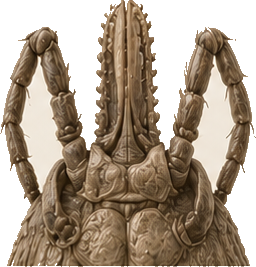
Alpha-gal syndrome is different from every other condition here: it is an allergy, not an infection. A bite — most often from the lone star tick — can sensitize your immune system to alpha-gal, a sugar found in beef, pork, lamb, and other mammal products.
Carried by
Lone star tick · Amblyomma americanum
Signs & symptoms
What to watch for.
Reactions are famously delayed — often 2 to 6 hours after eating red meat:
- Hives, itching, or swelling
- Stomach cramps, nausea, or diarrhea
- A runny nose or shortness of breath
- In severe cases, anaphylaxis
Because the reaction comes hours after a meal, the connection is easy to miss. There is no quick cure — care centers on avoiding trigger foods and, when needed, carrying emergency epinephrine. For some people it fades over time if the bites stop.
How it spreads
Transmission
Alpha-gal syndrome is not spread like an infection — it is triggered by a tick bite, most often from the lone star tick. The bite sensitizes your immune system to alpha-gal, a sugar found in mammal meat, and the allergy can develop weeks to months after one or more bites.
How it’s treated
Treatment
There is no antibiotic and no quick cure. Management means avoiding mammalian meat — beef, pork, lamb — and, for some people, other mammal-derived products, plus carrying emergency epinephrine if reactions are severe. Diagnosis is confirmed with an alpha-gal blood test, and an allergist guides ongoing care. We will point you toward testing and referral.
When to seek care
Don’t wait on these.
Call 911 for any sign of a severe allergic reaction — trouble breathing, throat tightness, swelling of the lips or tongue, or fainting — particularly a few hours after eating red meat. That is anaphylaxis and needs emergency treatment.
Prevention
Lowering your risk.
The surest protection is avoiding bites in the first place: use an EPA-registered repellent, treat clothing and gear with permethrin, stay toward the center of trails, and do a full-body tick check after time outdoors — including the scalp, behind the knees, and the waistline. If you find an attached tick, remove it promptly with fine-tipped tweezers, pulling straight up without twisting, and note the date. The sooner it comes off, the lower the risk.

The physician
Dr. Adam Kawalek
Board-certified in Internal Medicine — American Board of Internal Medicine. Trained at Brown, Mount Sinai and Johns Hopkins. He reads every case personally.
Bitten recently? The clock matters more than the worry.
A licensed physician reviews every case