The field guide
Know what
you’re dealing with.
The animal, the diseases it carries, and the handy things worth knowing before your next walk in the woods — because understanding the risk is the first way to take the fear out of it.
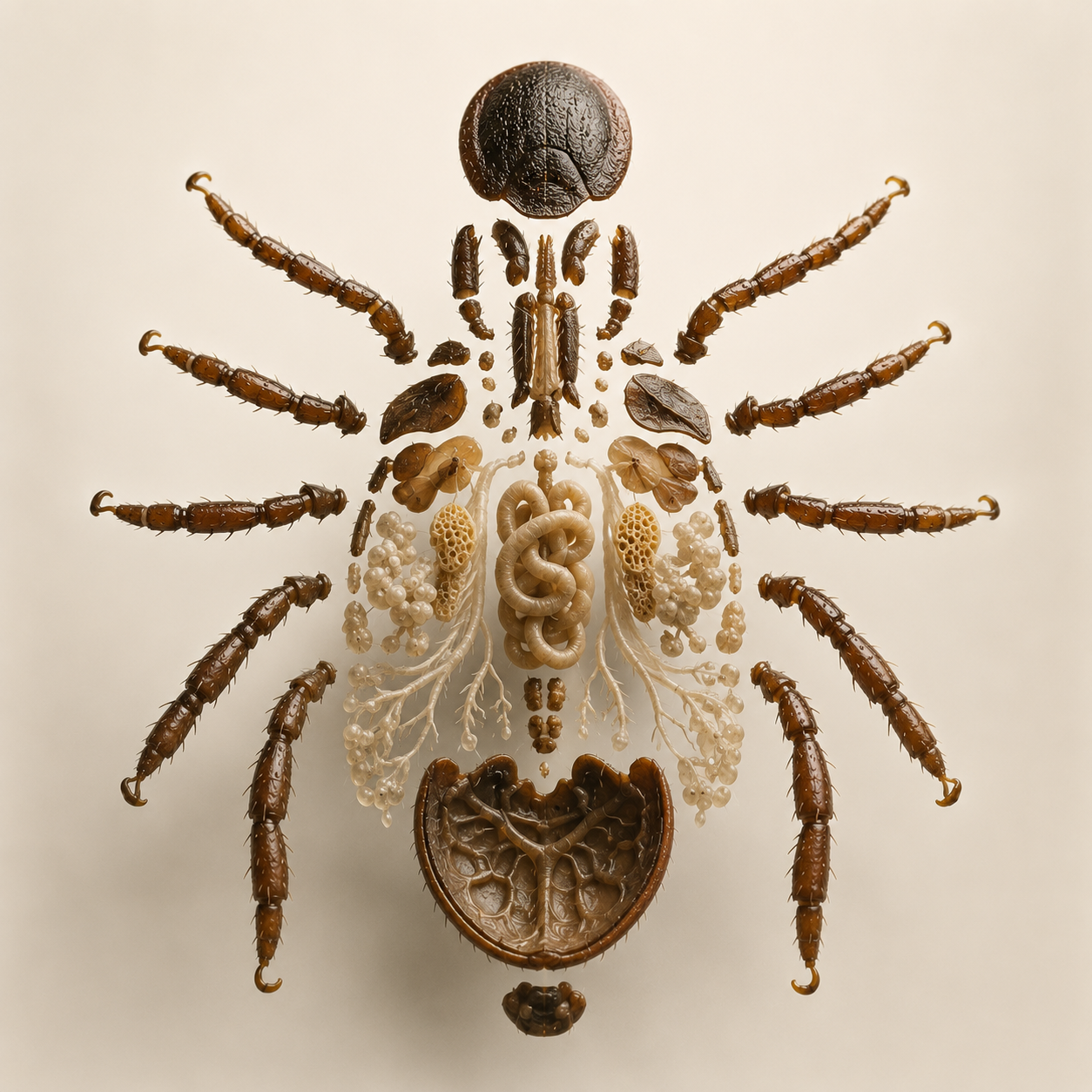
Ixodes scapularis — an anatomical study
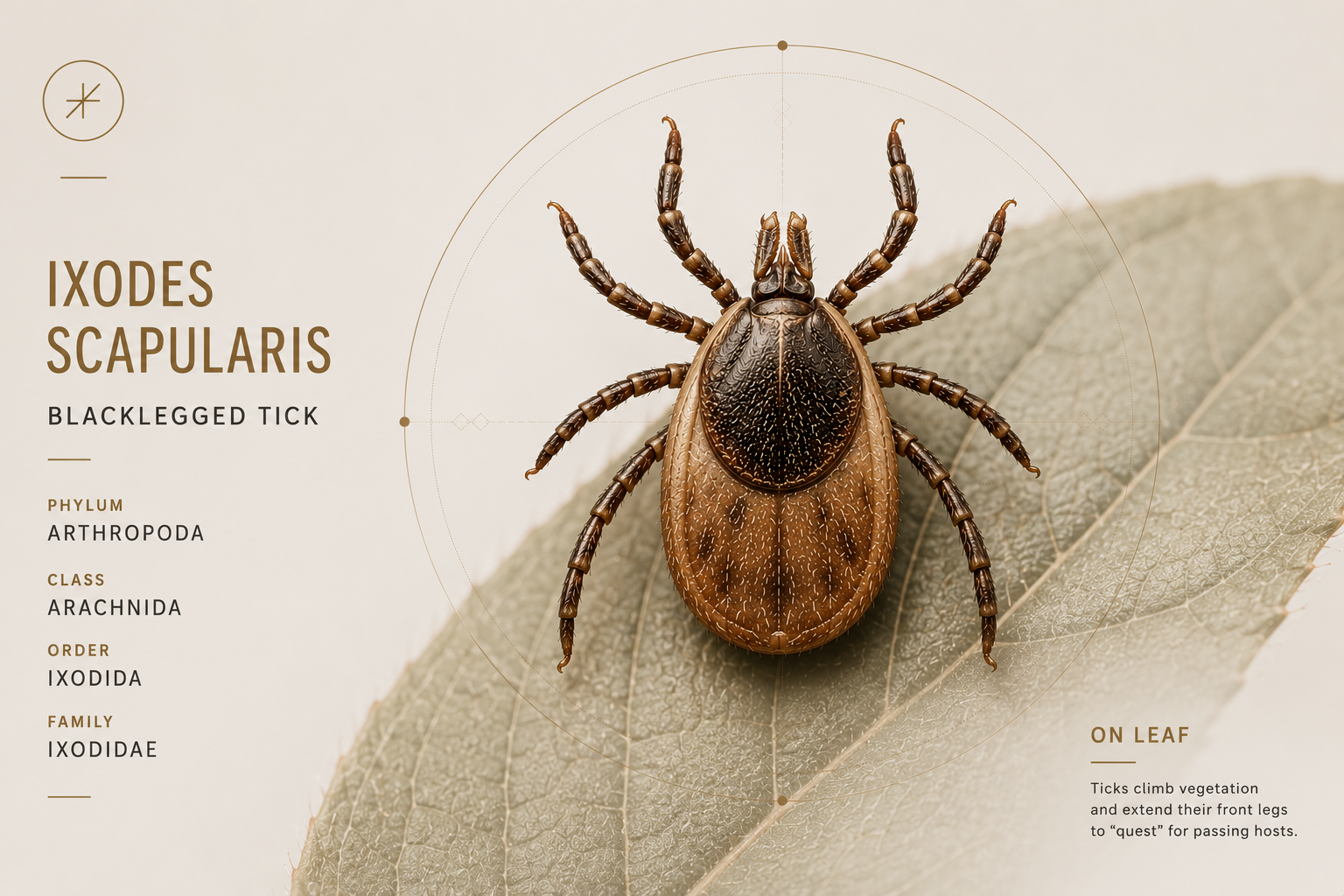
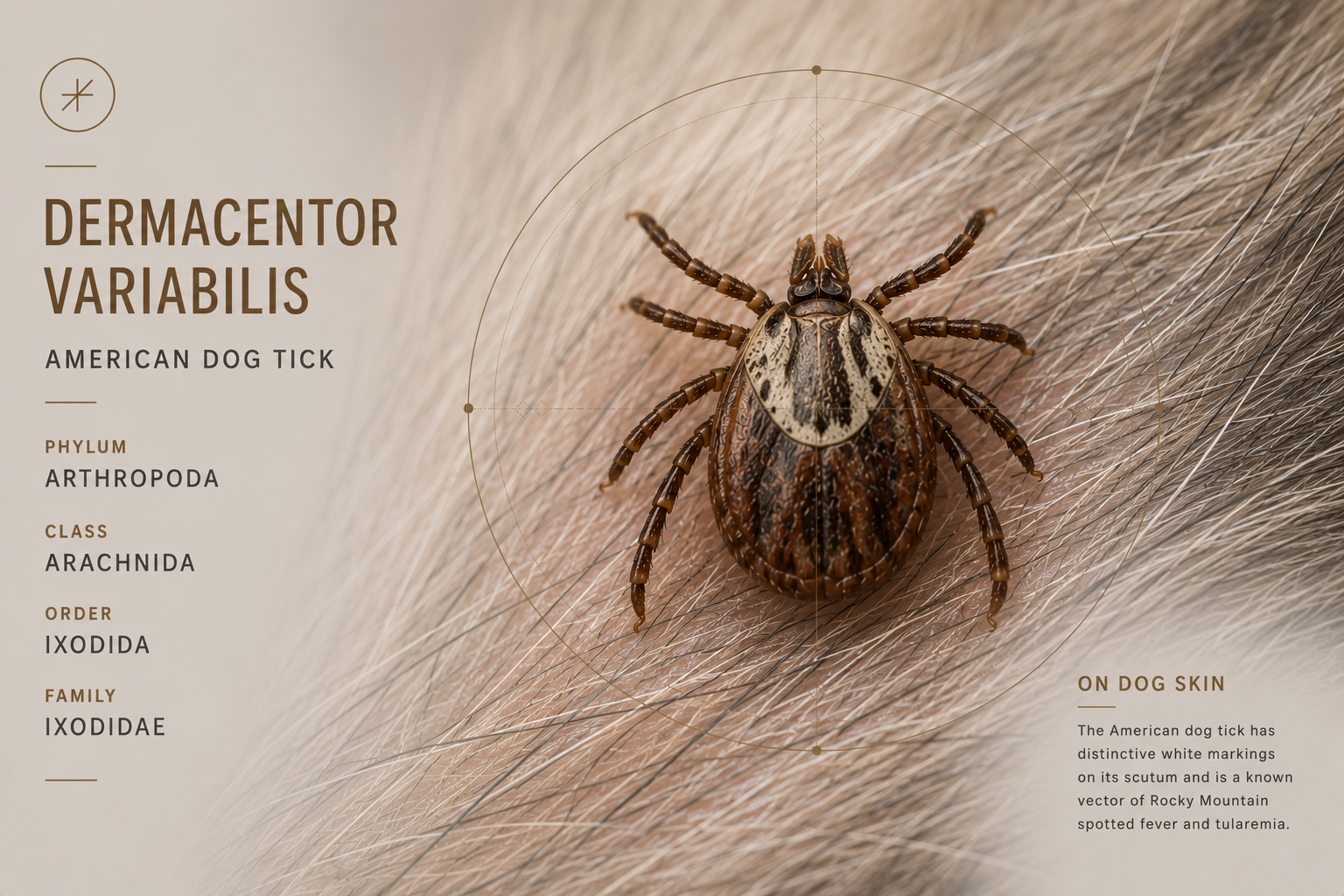
The vectors
The ticks that matter here.
These two carry most of what you’ll meet in the Northeast — with the lone star tick a fast-rising third.
If you find one attached
How to remove a tick.
Do it calmly and correctly — most of the avoidable risk comes from doing it wrong.

- 1
Use fine-tipped tweezers
Grasp the tick as close to the skin as you can — by the head, not the swollen body.
- 2
Pull straight up, slowly
Steady, even pressure. Don’t twist or yank — that can snap the mouthparts off and leave them behind.
- 3
Skip the old tricks
No petroleum jelly, nail polish, alcohol, or lit matches. Irritating a tick can make it release more into the wound, not less.
- 4
Clean up
Wash the bite and your hands with soap and water, or rubbing alcohol.
- 5
Write down the date
Note when you found it and where on your body it was. That timing decides whether a preventive dose is even on the table.
After it’s out
What to do with the tick.
A few small things now save a lot of second-guessing later.
Seal it in a small bag or a folded piece of tape, or just snap a clear photo. It helps a clinician confirm the species — and adds useful context if you feel unwell later.
A tick that tests positive doesn’t mean you’re infected, and a negative test doesn’t clear you. Decisions rest on your bite and your body — not the tick’s lab result.
Keep an eye on the spot for an expanding rash, and on yourself for fever, aches, or fatigue. Most bites never lead to anything — the first few weeks are simply when to pay attention.
If it was a high-risk bite, a single preventive dose is only an option within three days of removal. Sooner is better.
The pathogens
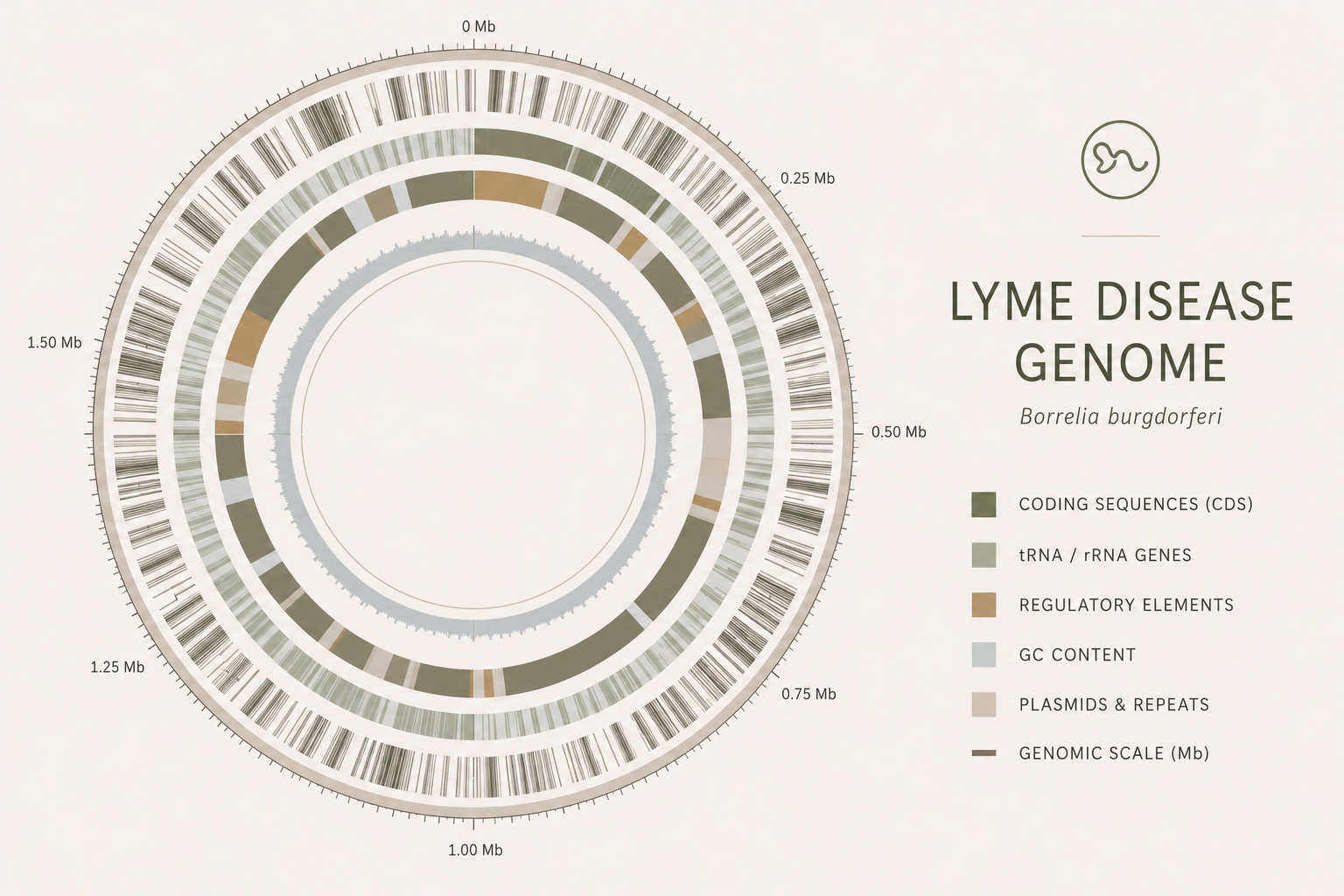
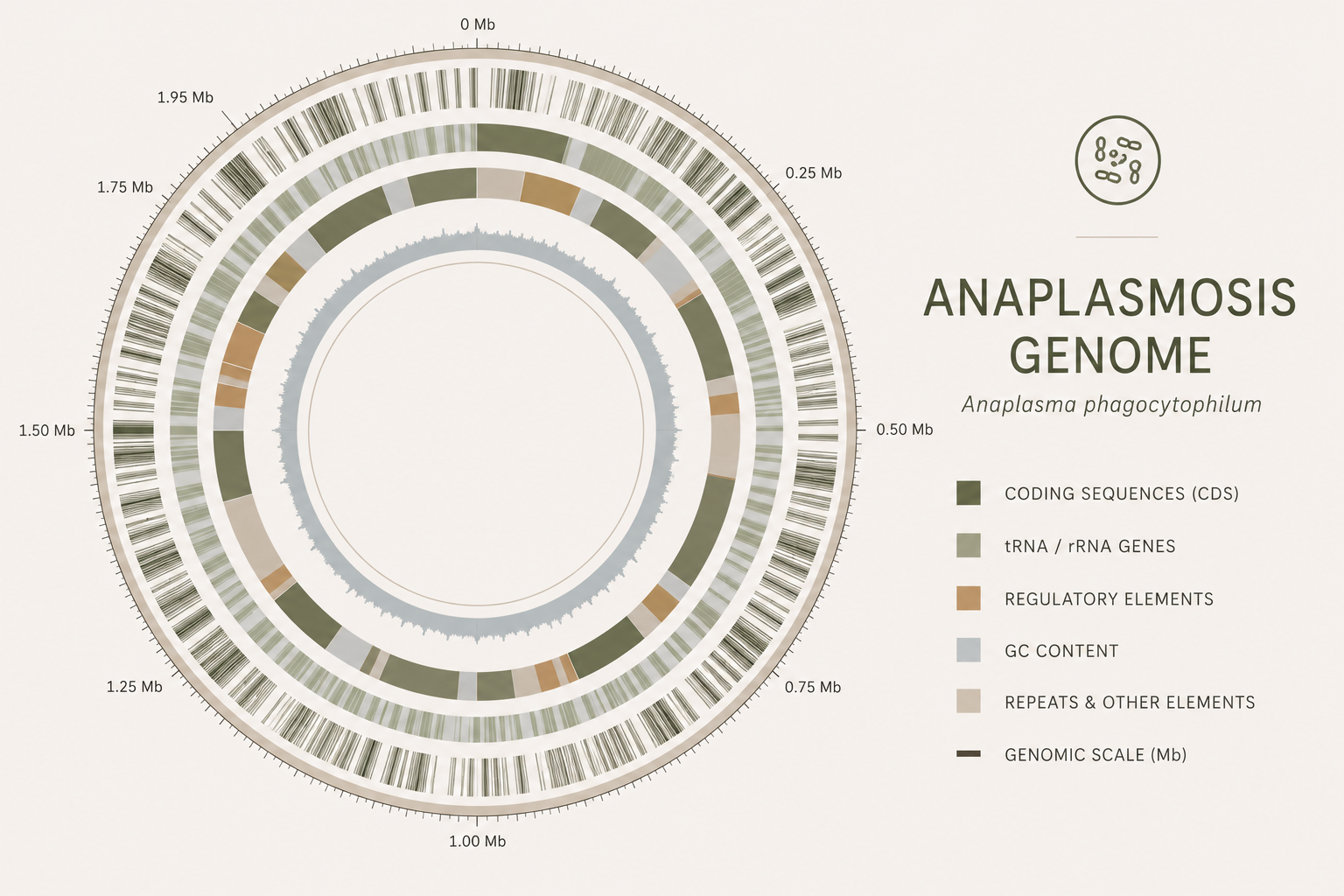
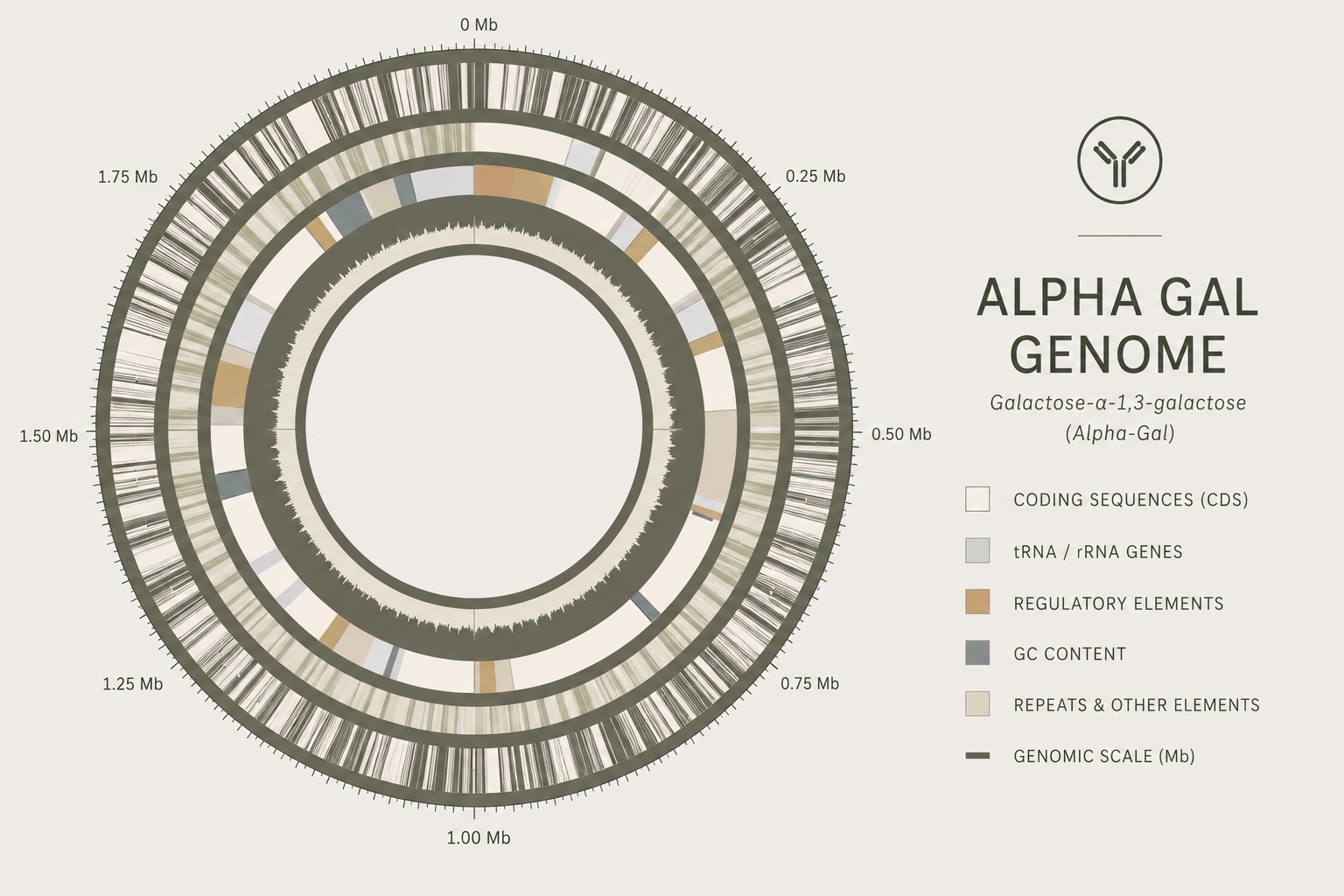
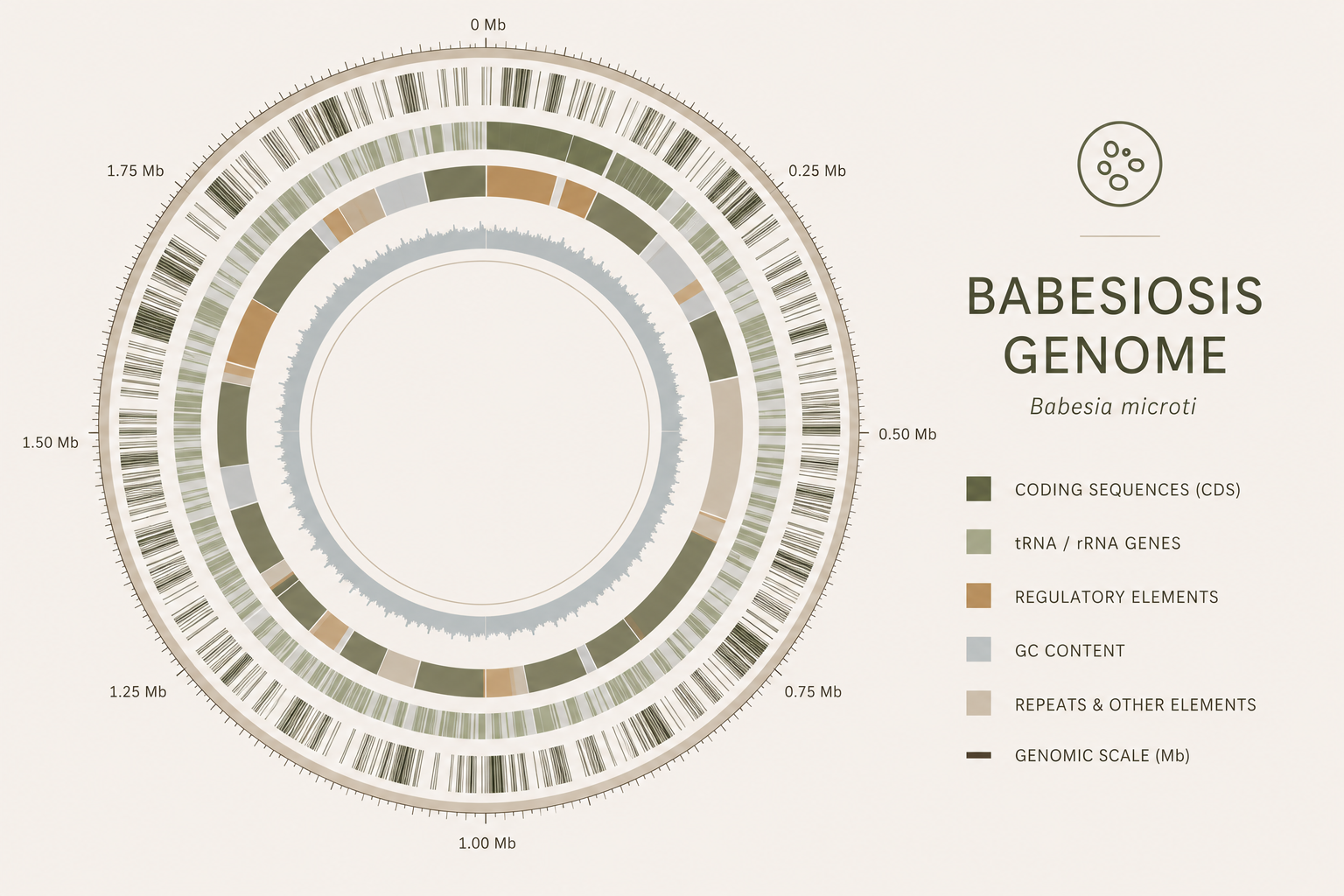
It was never just Lyme.
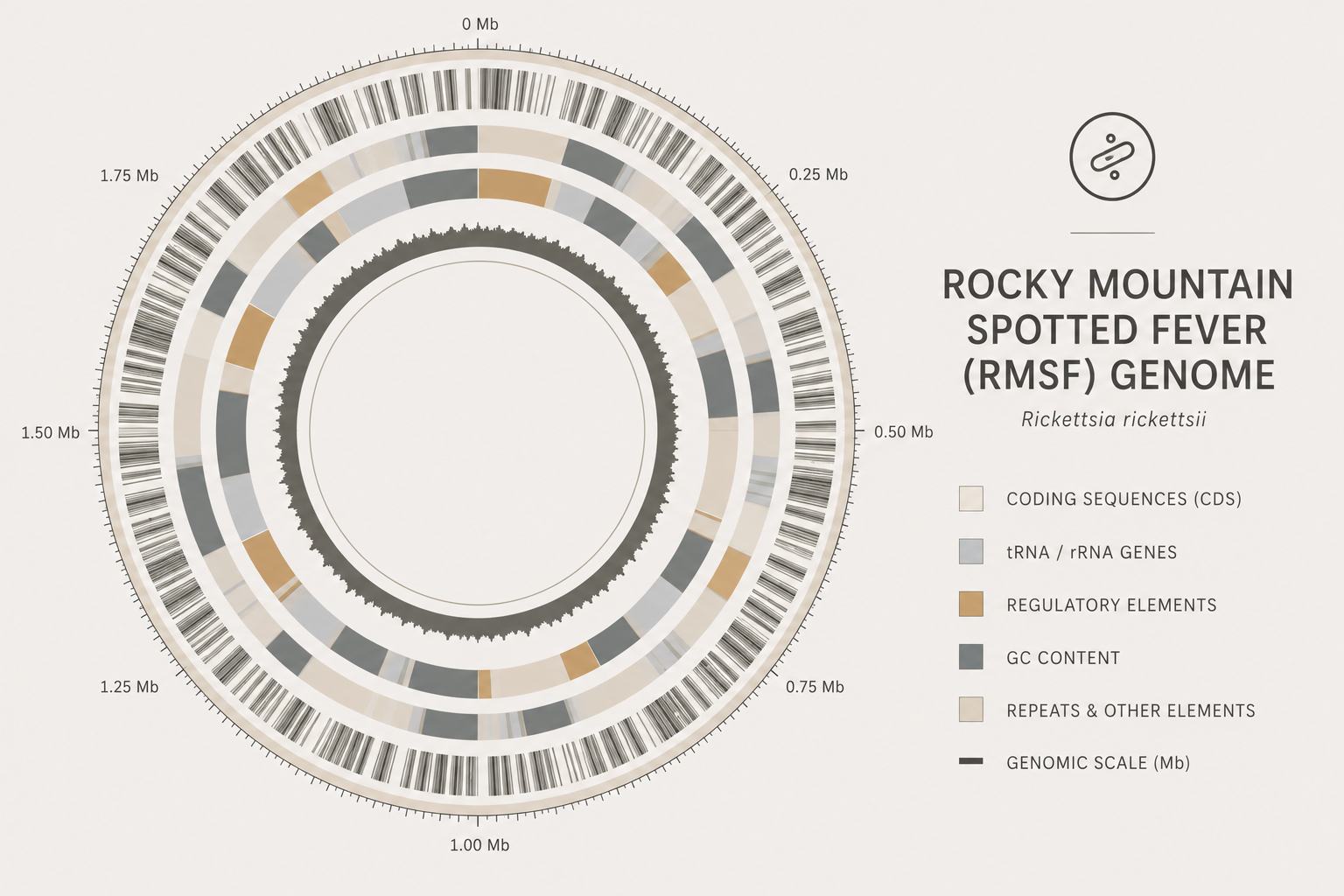
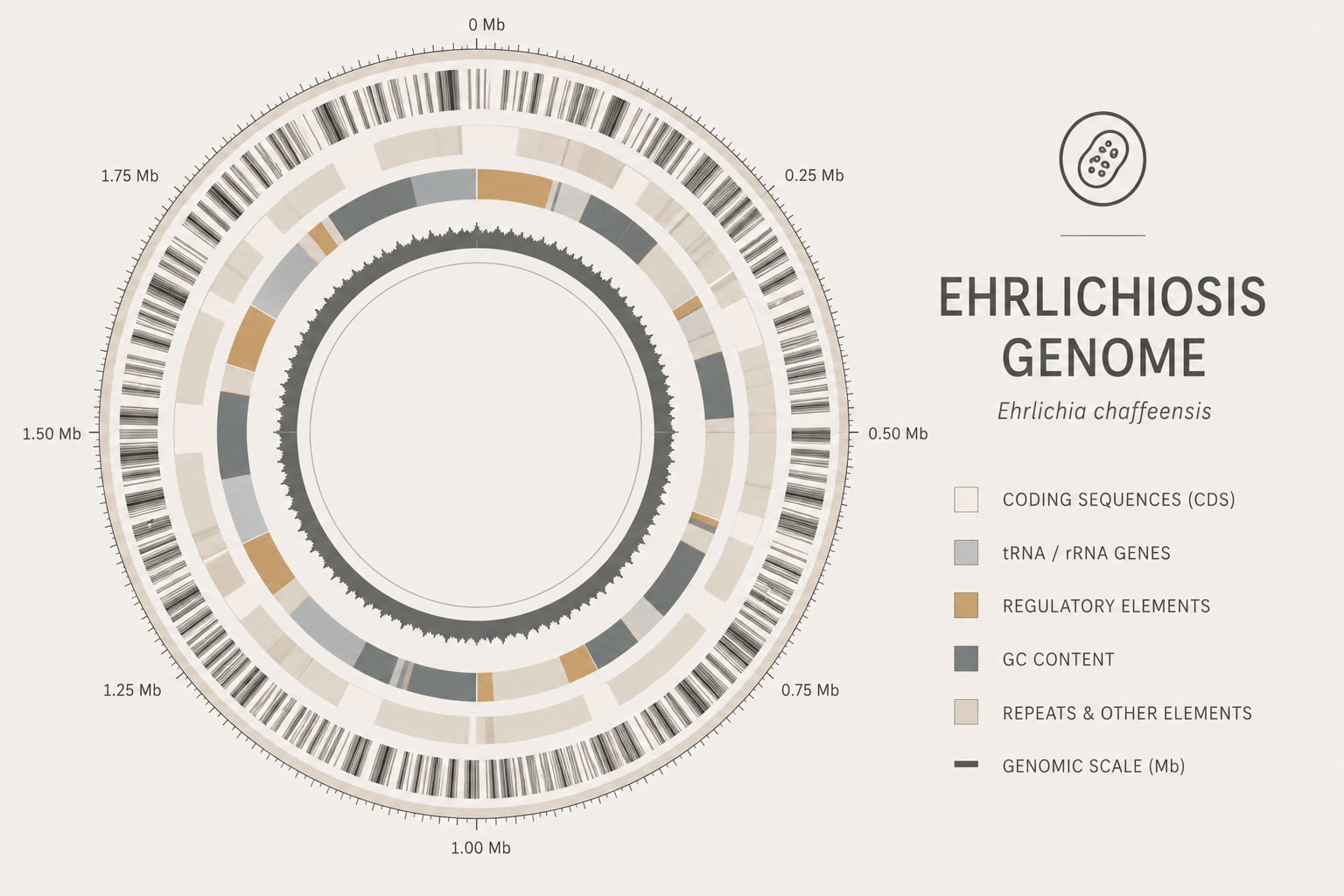
One bite can carry more than one thing. Here’s the field, drawn plainly.
The season & the setting
When and where you meet them.
Ticks bite whenever it’s above freezing, but most human bites land between April and September — peaking in late spring and early summer, when poppy-seed-sized nymphs are out and almost impossible to spot.
They wait at the tips of grasses and low brush along trail edges, in leaf litter, and in the seam between woods and lawn — then grab on as you brush past. They don’t jump, fly, or drop from trees.
Epidemiology
By the numbers.
Americans diagnosed and treated for Lyme disease each year.
of cases occur in the Northeast, Mid-Atlantic, and upper Midwest.
the rise in reported U.S. tickborne-disease cases from 2004 to 2019.
Figures — U.S. Centers for Disease Control and Prevention