Tick-borne disease
Rocky Mountain spotted fever
Rickettsia rickettsii
Uncommon, but the most serious tick-borne infection there is — and the one where hours of delay matter most.


The pathogen
What it is.
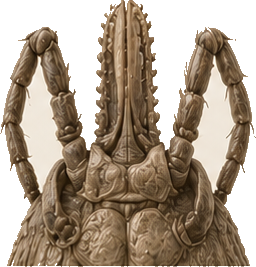
Rocky Mountain spotted fever is caused by the bacterium Rickettsia rickettsii, spread mainly by the American dog tick. Despite the name, most cases today are in the eastern and southern United States. It can move fast, which is why early recognition is everything.
Carried by
American dog tick · Dermacentor variabilis
Signs & symptoms
What to watch for.
Symptoms usually begin 2 to 14 days after a bite:
- Sudden high fever and severe headache
- Muscle aches, nausea, and vomiting
- A spotted rash, often starting on the wrists and ankles
- The rash can spread to the palms, soles, and trunk
Treated early with the right antibiotic, most people recover fully — but RMSF can become life-threatening if it is missed, so a fever after a tick bite is never something to wait out.
How it spreads
Transmission
Rocky Mountain spotted fever is spread by the American dog tick and related ticks. Symptoms usually begin two to fourteen days after the bite and can escalate quickly — the spotted rash often appears a few days after the fever starts, and sometimes not at all early on.
How it’s treated
Treatment
RMSF is treated with doxycycline, and early treatment is critical — waiting for test results can be dangerous, so physicians often start treatment on suspicion alone. This is an urgent, in-person diagnosis; if your history and symptoms fit, seek care immediately rather than starting an online visit.
When to seek care
Don’t wait on these.
Treat a high fever and severe headache within two weeks of a tick bite as an emergency — especially if a spotted rash appears on the wrists or ankles. RMSF can be life-threatening if treatment is delayed, so do not wait it out.
Prevention
Lowering your risk.
The surest protection is avoiding bites in the first place: use an EPA-registered repellent, treat clothing and gear with permethrin, stay toward the center of trails, and do a full-body tick check after time outdoors — including the scalp, behind the knees, and the waistline. If you find an attached tick, remove it promptly with fine-tipped tweezers, pulling straight up without twisting, and note the date. The sooner it comes off, the lower the risk.

The physician
Dr. Adam Kawalek
Board-certified in Internal Medicine — American Board of Internal Medicine. Trained at Brown, Mount Sinai and Johns Hopkins. He reads every case personally.
Bitten recently? The clock matters more than the worry.
A licensed physician reviews every case