Tick-borne disease
Babesiosis
Babesia microti
A malaria-like parasite that infects red blood cells — mild for many, serious for some.


The pathogen
What it is.
Babesiosis is unusual among tick-borne illnesses: it is caused by a parasite, Babesia microti, rather than a bacterium. It infects red blood cells directly, and is spread by the blacklegged tick — and, rarely, through transfused blood.
Carried by
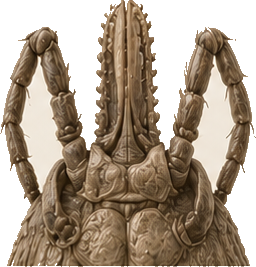
Blacklegged (deer) tick · Ixodes scapularis
Signs & symptoms
What to watch for.
Symptoms can appear a week to several weeks after a bite:
- Fever, chills, and drenching sweats
- Fatigue, headache, and muscle aches
- Loss of appetite
- Anemia, as red blood cells are affected
Many healthy people have only mild illness, but it can be serious for older adults, people without a spleen, or anyone with a weakened immune system. Because it is a parasite, it needs different medicines than the bacterial infections.
How it spreads
Transmission
Babesiosis is spread by the blacklegged (deer) tick and, rarely, through a blood transfusion. The parasite infects red blood cells, and symptoms can take a week to several weeks to appear. Like Lyme’s other co-infections, it is not prevented with a single dose.
How it’s treated
Treatment
Because Babesia is a parasite, not a bacterium, doxycycline does not work — it is treated with antiparasitic medicines, usually atovaquone plus azithromycin, and requires bloodwork to diagnose. This is outside what we treat directly; a symptomatic case should be evaluated in person, and we will help you get there.
When to seek care
Don’t wait on these.
Seek care urgently for drenching sweats with a high fever, dark urine, severe fatigue, or shortness of breath. Babesiosis can cause dangerous anemia, especially in older adults, people without a spleen, or anyone immunocompromised.
Prevention
Lowering your risk.
The surest protection is avoiding bites in the first place: use an EPA-registered repellent, treat clothing and gear with permethrin, stay toward the center of trails, and do a full-body tick check after time outdoors — including the scalp, behind the knees, and the waistline. If you find an attached tick, remove it promptly with fine-tipped tweezers, pulling straight up without twisting, and note the date. The sooner it comes off, the lower the risk.

The physician
Dr. Adam Kawalek
Board-certified in Internal Medicine — American Board of Internal Medicine. Trained at Brown, Mount Sinai and Johns Hopkins. He reads every case personally.
Bitten recently? The clock matters more than the worry.
A licensed physician reviews every case